What Really Happened on This One
Got a call into the city centre.
“Car overheated. Now it won’t start.”
That’s already two problems. And from experience, when those two show up together… it’s rarely good news.
Took me about an hour to find him. Directions were… let’s just say optimistic. When I finally got there, he was half up on the sidewalk in his Honda Insight, hazards on, looking like he’d had enough of the day.
Engine was cold by then. That matters.
The Story Starts Before I Even Open the Hood
First thing I always do is talk to the driver.
Simple stuff first.
He tells me straight away:
“I know it needs a radiator. I’ve been topping it up every day… just forgot today.”
There it is.
That one sentence explains a lot.
A small cooling system leak that’s been ignored doesn’t stay a small cooling system problem for long. It escalates.
Fast.
Still, I keep it practical.
Engine is cold. Safe to open.
Let’s see what we’re dealing with.
Low Coolant and a Known Leak
Pop the hood. Rad empty.
No surprise.
I top it up slowly, watching for movement. Straight away I spot it. Small but steady drip from the bottom of the radiator.
Not catastrophic.
On its own, that’s a straightforward job.
Radiator replacement. Done.
And because his garage wasn’t far, I’m thinking:
If it starts and runs clean, we might get away without a tow.
But here’s where it turns.
It Won’t Start
Key in.
Nothing.
Flat battery.
Now, that’s not unusual. Hazard lights on, radio playing, engine off for an hour… it’ll drain even a decent battery.
But the battery wasn’t just low. It felt weak.
You get a feel for these things.
Likely due a battery but there may be bigger problems ahead.
Because overheating and a no-start often have a deeper link.
The Clue He Didn’t Lead With
I start asking a few more questions.
That’s when the truth comes out.
“There was white smoke from the tailpipe… for a few miles before it overheated.”
That’s the moment the job changes.
White smoke from the tailpipe isn’t just “steam.” Not when it’s sustained.
That’s coolant being burned.
Inside the engine.
Head Gasket Gone
At that point, no need for fancy tools.
You already know where this is heading.
Classic sequence:
- Cooling system leak
- Driver keeps topping up
- Coolant runs low
- Engine overheats
- Head gasket fails
- Coolant enters combustion chamber
- White smoke from tail pipe
- Engine damage escalates
Once the head gasket goes, everything else becomes secondary.
That radiator leak? It’s no longer the main problem.
Why This Happens So Often
Here’s the thing.
A small coolant leak feels manageable.
Top it up. Drive on. No big deal.
But engines don’t forgive overheating.
Modern engines especially.
Aluminium heads warp fast under heat. Once that happens:
- The head gasket can’t seal properly
- Combustion pressure leaks
- Coolant gets pushed into the cylinders
- Oil and coolant can mix
- Engine loses compression
And now you’ve got a major repair.
Not a maintenance job anymore.
The Battery Was a Side Story
The flat battery? That’s just background noise in this case.
Yes, it needed replacing.
Yes, the hazards and radio drained it.
But even with a fresh battery, this engine wasn’t right.
You could jump it, maybe get it to crank…
But with a blown head gasket, you’re not solving the real issue.
The Conversation Nobody Wants
So I level with him.
“Look, it’s more than a radiator.”
No point dressing it up.
I explain it clearly:
- The leak caused the overheating
- The overheating likely damaged the head gasket
- The white smoke points to coolant inside the cylinders
- You’re now looking at a bigger repair
To his credit, he takes it well.
He already knew.
Most drivers do, deep down.
They just hope it holds together a bit longer.
Tow Job, No Way Around It
At this stage, there’s no roadside fix.
No quick win.
It’s a tow.
Even if you could get it to run, driving it risks:
- Severe engine damage
- Hydro-lock (coolant filling a cylinder)
- Total engine failure
So we get it loaded up and sent to his garage.
Short tow, thankfully.
Repair or Replace?
This is where it gets real for the owner.
Head gasket jobs aren’t cheap.
Depending on the engine and damage, you’re looking at:
- Head removal
- Machining (if warped)
- New gasket set
- Coolant flush
- Oil change
- Labour… plenty of it
On an older car, that bill can quickly outweigh the value.
So I give him the only advice that makes sense:
“Get a price first. Then decide.”
Because sometimes it’s worth fixing.
Sometimes it’s not.
What You Should Take From This
This job wasn’t unusual.
I see versions of it all the time.
The takeaway is simple:
Small cooling issues don’t stay small.
If your car is:
- Losing coolant
- Needing regular top-ups
- Showing any white smoke
- Running hotter than normal
Don’t wait.
Because the jump from “minor leak” to “major engine damage” is a short one.
And it happens quietly.
YOUR CAR JUST SAID “UH-OH.”
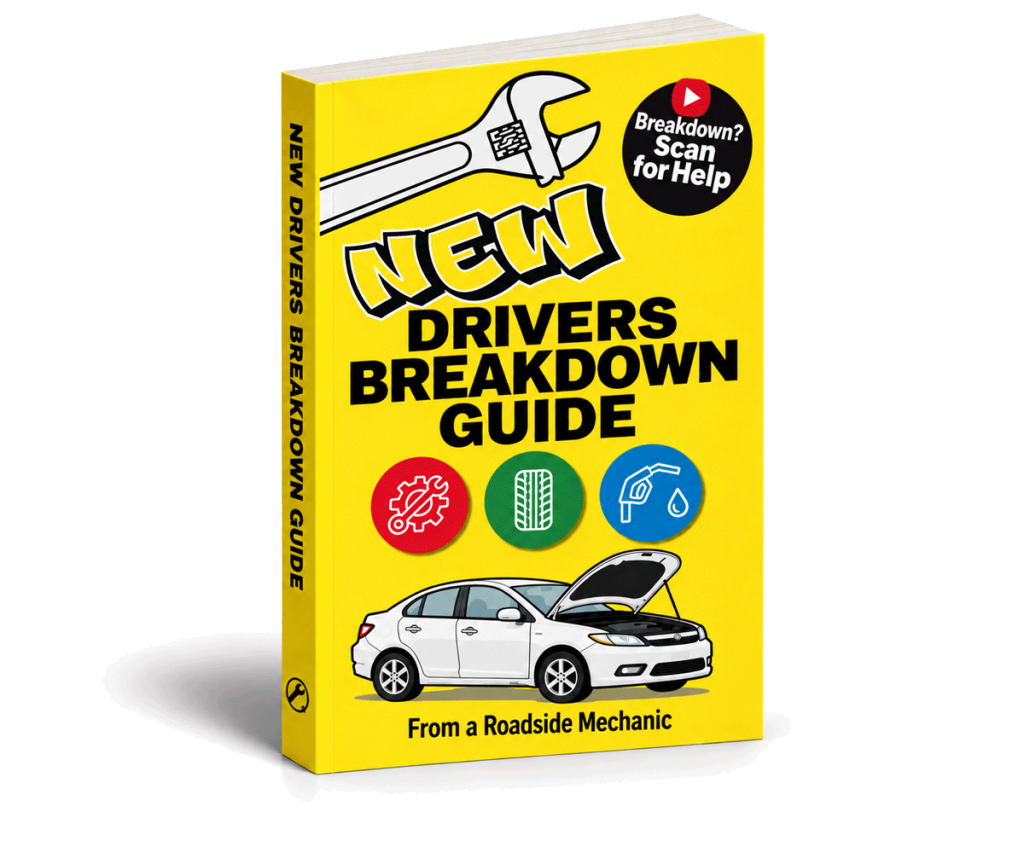
Warning light? Won’t start? Weird noise?
Something smells expensive?
DON’T PANIC. KNOW WHAT TO DO NEXT.
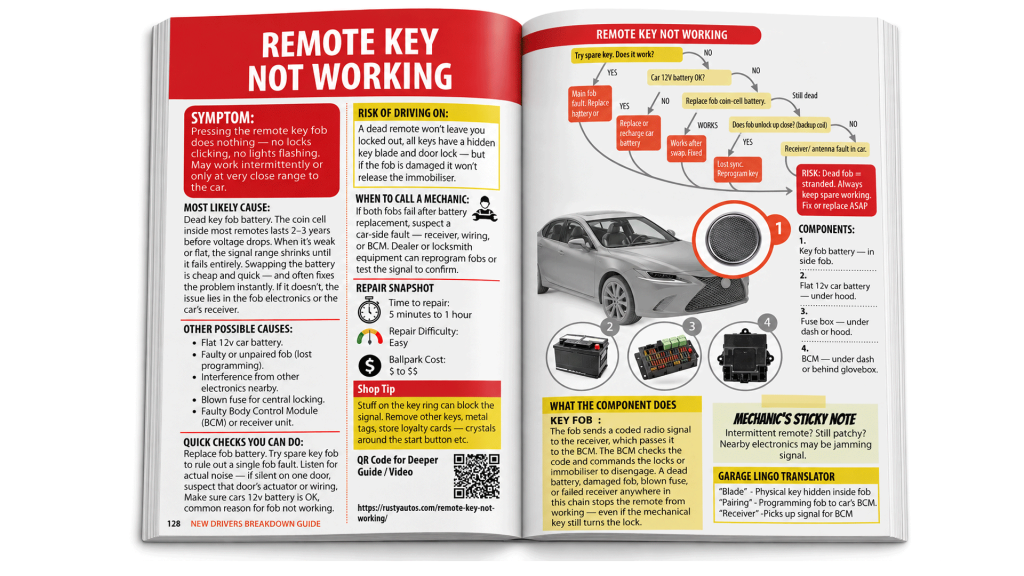
The New Driver’s Breakdown Guide gives you the car know-how nobody taught you.
- About the Author
- Latest Posts

Meet Northcap, a seasoned mechanic and roadside assistance expert with over 20 years of hands-on experience. At Rustyautos.com, Northcap shares exclusive insights into what really breaks down in cars, offering practical tips and real-world advice to keep drivers informed and their cars on the road.