You plug in the scanner and there it is, P0102.
This one shows up a lot on roadside calls. In most cases, it is not a failed sensor. It is something interfering with how airflow is being measured.
What P0102 Actually Means
P0102 means Mass Air Flow Sensor Circuit Low Input.
In plain terms, the engine control unit believes there is less air entering the engine than there actually is, or the signal from the sensor is too low.
The important point is this. The engine is not always short on air. It is often just being measured incorrectly.
That throws off fueling and engine performance.
What the MAF Sensor Does
The MAF sensor sits in the intake, just after the air filter.
Its job is to measure how much air is entering the engine and report that to the engine control unit. The control unit then adjusts fuel delivery to match.
If the airflow reading is too low, the control unit injects less fuel than needed. That leads to a lean condition and poor performance.
Common Symptoms of P0102
This fault is not always obvious, but there are some clear patterns.
Sluggish acceleration is very common. The engine feels flat and unresponsive.
You may notice hesitation when pressing the throttle, especially from low speed.
Rough idle and occasional stalling can occur.
The check engine light will be on, and in some cases the vehicle may enter a reduced power mode.
Some vehicles may also become harder to start.
Most Common Causes
Dirty MAF Sensor
This is by far the most common cause.
Over time, the sensing element becomes coated in dirt, oil vapour, and fine dust. That contamination reduces the sensor’s ability to measure airflow accurately.
The result is a lower than expected signal being sent to the engine control unit.
Intake Air Leaks
Air leaks after the MAF sensor are a major cause of this code.
If there is a split hose or loose connection, air enters the engine without being measured. The engine is getting the air, but the sensor does not see it.
That mismatch causes the control unit to log a low input fault.
Check for cracked hoses, loose clamps, or worn rubber elbows in the intake system.
Wiring or Connector Issues
A low input signal can also be caused by electrical problems.
Corrosion in the connector, poor pin contact, or damaged wiring can all reduce the signal voltage from the sensor.
This is especially common where wiring looms are exposed to heat or vibration.
Blocked Air Filter
A heavily restricted air filter can reduce airflow enough to affect the MAF reading.
It is not the most common cause, but it is quick and easy to check and should never be overlooked.
Faulty MAF Sensor
The sensor itself can fail, but it is less common than most people think.
It should only be considered after the other causes have been ruled out.
Quick Diagnostic Plan
In the trade, the approach is always the same. Start simple and work forward.
Begin with a visual inspection of the intake system. Check that all hoses are secure and free from splits.
Inspect the air filter. If it is dirty or blocked, replace it.
Check the MAF sensor connector. Make sure it is secure and free from corrosion.
If you have access to live data, look at the MAF readings at idle and during acceleration. If the readings are unusually low or slow to respond, that is a strong clue.
A light tap on the MAF housing while monitoring live data can sometimes reveal an internal fault if the readings jump.
Before replacing anything, clean the sensor.
How to Clean the MAF Sensor
This is a straightforward job and often solves the problem.
Remove the sensor from the intake. Use the correct tool for the screws, as many are Torx type.
Do not touch the sensing element. It is very delicate.
Spray the sensor with a proper MAF cleaner. Avoid using brake cleaner or other harsh solvents.
Allow it to dry completely before refitting.
Once reinstalled, start the engine and check for improvement.
When to Replace the MAF Sensor
Replace the sensor if cleaning has not improved the readings, and all intake and wiring checks have been completed.
If live data still shows consistently low airflow readings and the engine is not running correctly, the sensor is likely faulty.
It is worth using a good quality replacement. Poor quality sensors can cause repeat faults and inconsistent performance.
Can You Drive With a P0102 Code
In most cases, yes, the vehicle will still drive.
However, performance will be reduced. Fuel economy may suffer, and the engine may stall under certain conditions.
If the vehicle enters a reduced power mode, it will feel noticeably restricted.
Driving like this for long periods is not ideal, as a lean running condition can put additional stress on the engine.
Real World Pattern
A very common scenario is a vehicle where the MAF sensor has already been replaced, but the fault returns.
In many of these cases, the real issue is a split intake hose or a small air leak that was missed during the initial inspection.
The sensor gets blamed, but the problem is elsewhere.
Bottom Line
P0102 is usually not a serious fault, but it does affect how the engine runs.
It is most often caused by a dirty sensor, an air leak, or a simple electrical issue.
Start with the basics. Inspect, clean, and test before replacing parts.
That approach saves time, money, and a lot of frustration.
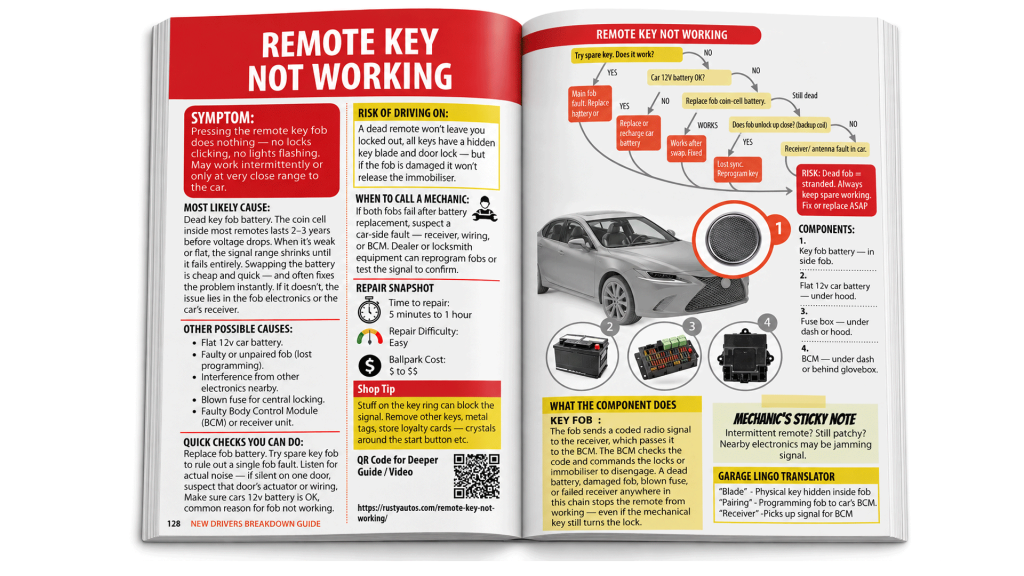
YOUR CAR JUST SAID “UH-OH.”

Warning light? Won’t start? Weird noise?
Something smells expensive?
DON’T PANIC. KNOW WHAT TO DO NEXT.
The New Driver’s Breakdown Guide gives you the car know-how nobody taught you.
- About the Author
- Latest Posts


Meet Northcap, a seasoned mechanic and roadside assistance expert with over 20 years of hands-on experience. At Rustyautos.com, Northcap shares exclusive insights into what really breaks down in cars, offering practical tips and real-world advice to keep drivers informed and their cars on the road.