You switch them on.
Nothing.
Or maybe one works. One doesn’t.
On roadside calls, this one matters. Not just inconvenient. It’s a safety issue. And in some cases, illegal to drive.
The good news is this.
Headlight systems are still fairly simple compared to other modern electronics.
Power. Ground. Bulb.
Start there.
First What Does It Actually Do
This is where you narrow it down fast.
Both headlights not working
No lights at all when switched on.
That usually points to a shared issue like a fuse, relay, switch, or power supply. That said, many vehicles split headlight circuits, with separate fuses for left and right or for dipped and main beam. Some systems also use individual relays or control circuits, so a complete blackout is less common than you might expect.
One headlight not working
One side is out, the other is fine.
That’s most often a blown bulb or a wiring issue on that side.
Lights flicker or cut out
They work sometimes, then fail.
That can be a loose connection, failing bulb, or electrical issue.
Dim headlights
They work, but they’re weak.
Often caused by poor ground, voltage drop, or ageing bulbs.
How the System Works In Plain English
The switch sends power through a fuse and often a relay to the headlights.
The bulbs light up. The circuit completes through a ground.
That’s it.
Modern cars can add control modules, but the basics don’t change.
No power, no light.
Most Common Causes I See On The Road
Blown Headlight Bulb
This is number one.
Especially if only one side is out.
Bulbs fail over time. Filaments break.
On roadside jobs, this is usually a quick fix if you’ve got a spare.
Blown Fuse
This is a strong suspect.
The fuse protects the circuit. If it blows, power is cut.
Always check the correct fuse. Some cars have separate fuses for left and right or for dipped and main beam.
Faulty Headlight Relay
Many systems use a relay to switch the headlights on.
If the relay fails:
- No headlights
- Everything else electrical works fine
Relays can fail suddenly or intermittently.
Bad Ground Connection
Ground issues are common and often overlooked.
If the ground is poor:
- Lights may be dim
- Flickering
- One side weaker than the other
Corrosion or loose connections are usually the cause.
Headlight Switch Failure
The switch itself can wear out.
If it fails:
- No response when turned on
- Other lights may still work
Less common, but I’ve seen it enough times.
Wiring Damage
Wiring runs through the front of the car. It’s exposed to movement, heat, and moisture.
Common problem areas:
- Headlight connectors overheated
- Around the battery
- Where wiring flexes
Damage here can cause total or partial failure.
Modern Headlight Systems Are a Different Game
Not all headlights are simple bulbs anymore.
Older systems use halogen bulbs. Easy. Power in, bulb lights up, swap it when it fails.
Modern systems are very different.
You’ll see things like:
- LED headlights
- HID or Xenon systems
- Adaptive or matrix headlights
From the outside, they look the same. From a repair point of view, they’re not.
Many modern headlights are sealed units.
That means no replaceable bulb. If the light fails, you’re often replacing the entire headlamp assembly.
And here’s where it gets expensive.
These units can include:
- Control modules
- Cooling systems for LEDs
- Motors for beam adjustment
- Sensors for adaptive lighting
So when one fails, it’s not just a bulb anymore. It’s a system.
On roadside calls, I don’t repair these. No one does. You diagnose, confirm power and ground, and if everything checks out, the unit itself is the fault.
Some cars will log fault codes for lighting modules, which helps point you in the right direction.
One more thing.
Modern systems are sensitive to voltage. A weak battery or poor charging system can cause warning messages or lights not to function correctly.
What This Means For You
If your car has LED or adaptive headlights:
- Don’t expect a quick bulb swap
- Be prepared for higher repair costs
- Proper diagnosis matters before replacing anything
Simple rule.
Old cars. Bulb.
New cars. Module.ing more frequent with modern vehicles.
Quick Checks You Can Do
Simple stuff first.
Check if one or both headlights are out. That tells you a lot straight away.
Inspect the bulbs. If one is blown, replace it. If both are out, it’s not likely both bulbs failed at the same time, but it is possible, so don’t rule it out.
Check the fuses. Use the diagram in the fuse box cover or manual.
Swap relays if possible. Many relays are identical, so you can test quickly.
Look for obvious wiring issues or loose connectors at the headlights.
If lights are dim, check for corrosion at the ground points.
Can You Still Drive
If both headlights are out, no.
It’s unsafe and illegal in most places.
If one headlight is out, you can swap the working bulb over to the driver’s side to get you home safely. It’s a temporary fix, but it keeps your visibility where you need it most. Just remember, it still needs to be repaired properly as soon as possible.
When It’s Time for a Pro
If bulbs and fuses are good and the problem remains, you’re into deeper electrical checks.
That means:
- Voltage testing
- Wiring tracing
- Module diagnostics
At that point, a proper diagnostic approach saves time and money.
Pro Tip From the Roadside
If one bulb fails, replace both.
The other one won’t be far behind.
It saves you doing the same job again next week.
Quick FAQ
Why did both headlights stop working?
Most likely a fuse, relay, or power supply issue.
Why is only one headlight out?
Usually a blown bulb or wiring issue on that side.
Can a bad battery affect headlights?
Yes. Low voltage can cause dim or unstable lighting.
Do LED headlights fail the same way?
Not exactly. They usually fail as a unit or module rather than a simple bulb.
Is it expensive to fix?
Bulbs are cheap. Wiring and module issues can be more costly.
YOUR CAR JUST SAID “UH-OH.”
Warning light? Won’t start? Weird noise?
Something smells expensive?
DON’T PANIC. KNOW WHAT TO DO NEXT.
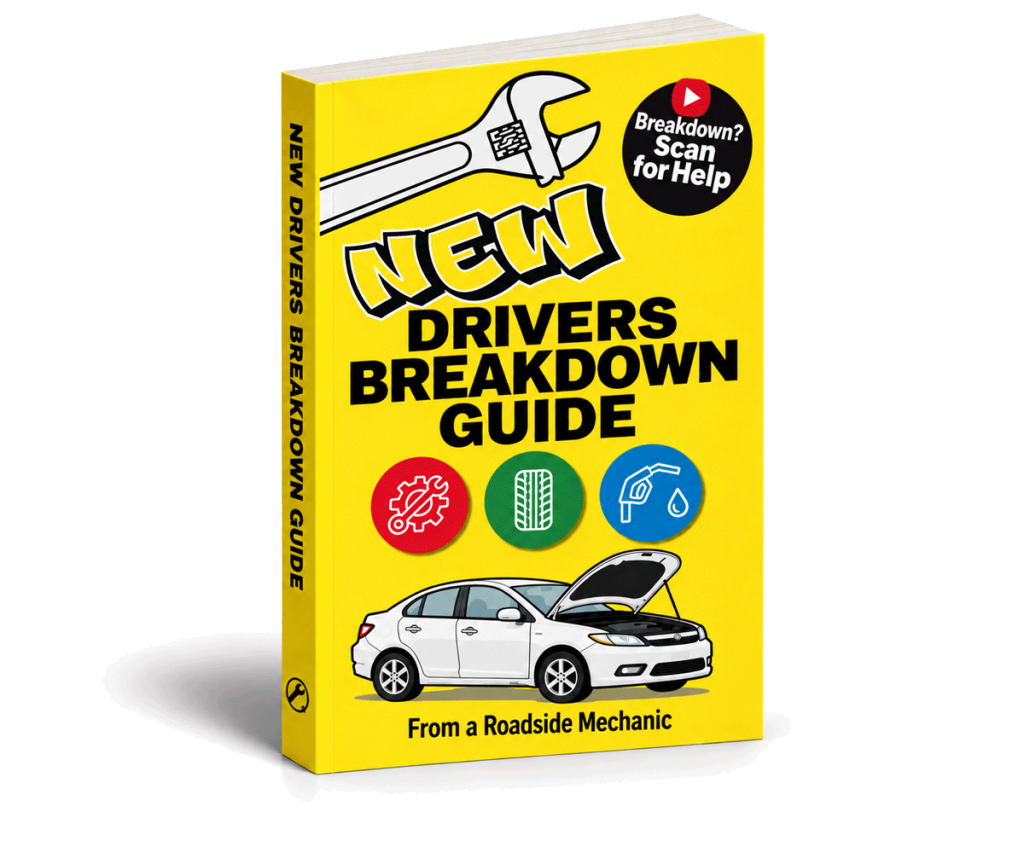
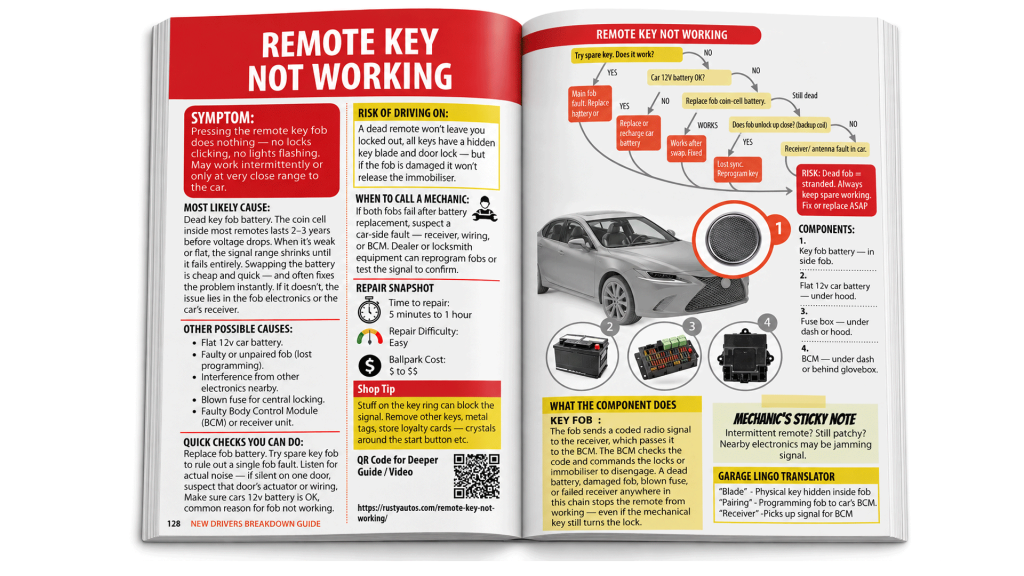
The New Driver’s Breakdown Guide gives you the car know-how nobody taught you.
- About the Author
- Latest Posts


Meet Northcap, a seasoned mechanic and roadside assistance expert with over 20 years of hands-on experience. At Rustyautos.com, Northcap shares exclusive insights into what really breaks down in cars, offering practical tips and real-world advice to keep drivers informed and their cars on the road.