You’ve just had an oil change…
Start the engine…
And now there’s smoke.
Not what you want to see.
Usually down to something simple. But it can look serious if you don’t know what’s causing it.
First — What Kind of Smoke?
This matters.
- Light smoke from engine bay — oil spilled somewhere hot
- Smoke from exhaust — oil level or internal issue
- Burning smell with light haze — oil burning off surfaces
Most of the time after a service, it’s external. Not internal.
Oil Spilled on Engine (Most Common)
This is number one. By a mile.
During an oil change, it’s easy to spill a bit of oil onto the engine, exhaust manifold, or heat shields.
Once the engine heats up… it burns off.
What you’ll notice:
- Light smoke from engine bay
- Burning oil smell
- Usually clears after a short drive
Roadside reality:
I see this all the time. Looks dramatic. Harmless in most cases.
Oil Overfilled
Too much oil causes pressure issues inside the engine.
It can get forced into places it shouldn’t be.
What happens:
- Oil gets pushed into intake or exhaust
- Engine may burn oil
- Smoke from exhaust (usually blue)
Symptoms:
- Smoke from tailpipe
- Rough running
- Oil level above max on dipstick
Important:
Overfilling is not harmless. It needs correcting.
Oil Cap Left Loose or Off
Simple mistake. Happens more than you’d think.
If the oil cap isn’t fitted properly:
- Oil can splash out
- Vapours escape
- Oil lands on hot engine parts
Signs:
- Oil around filler cap
- Smoke from engine bay
- Strong oil smell
Quick check:
Pop the hood. Make sure the cap is tight and seated correctly.
Oil Filter Leak
If the filter isn’t tightened properly or the seal isn’t seated right, oil can leak.
That oil then hits hot surfaces and smokes.
Causes:
- Loose filter
- Double gasket (old seal left behind)
- Damaged seal
What you’ll notice:
- Fresh oil around filter
- Drips under car
- Smoke after running
This one matters:
Leaks can get worse quickly. Needs fixing.
Oil Spilled Into Engine Cover or Trays
Modern engines have covers and trays that can trap oil.
Spilled oil sits there… then slowly burns off.
Symptoms:
- Smoke continues for a while
- Hard to see exact source
- Smell lingers
PCV or Breather Disturbed
During an oil change, hoses or components can get knocked.
If the crankcase ventilation system isn’t working properly, pressure builds.
Result:
- Oil pushed into intake
- Smoke from exhaust
- Rough running
Exhaust Contamination During Service
Sometimes oil drips directly onto the exhaust during the service.
What happens:
- Immediate smoke on startup
- Burns off quickly
- No long-term issue
Can You Keep Driving?
Usually, yes — with caution.
- Light smoke that fades quickly — likely harmless
- Continuous smoke — needs checking
- Smoke from exhaust — don’t ignore
If it doesn’t clear after a short drive, investigate.
Quick Checks You Can Do
Simple stuff first.
- Check oil level on dipstick
- Make sure oil cap is fitted correctly
- Look for visible leaks
- Check around oil filter
- Look for oil on engine surfaces
When to Call It
If you’ve got:
- Oil level too high
- Ongoing smoke
- Visible leaks
- Smoke from exhaust
Get it checked properly.
Bottom Line
Most of the time, smoke after an oil change is:
Oil spilled on hot parts.
It burns off. No harm done.
But always check:
- Oil level
- Oil cap
- Filter
Because if it’s not a spill…
It’s something that needs fixing.
YOUR CAR JUST SAID “UH-OH.”
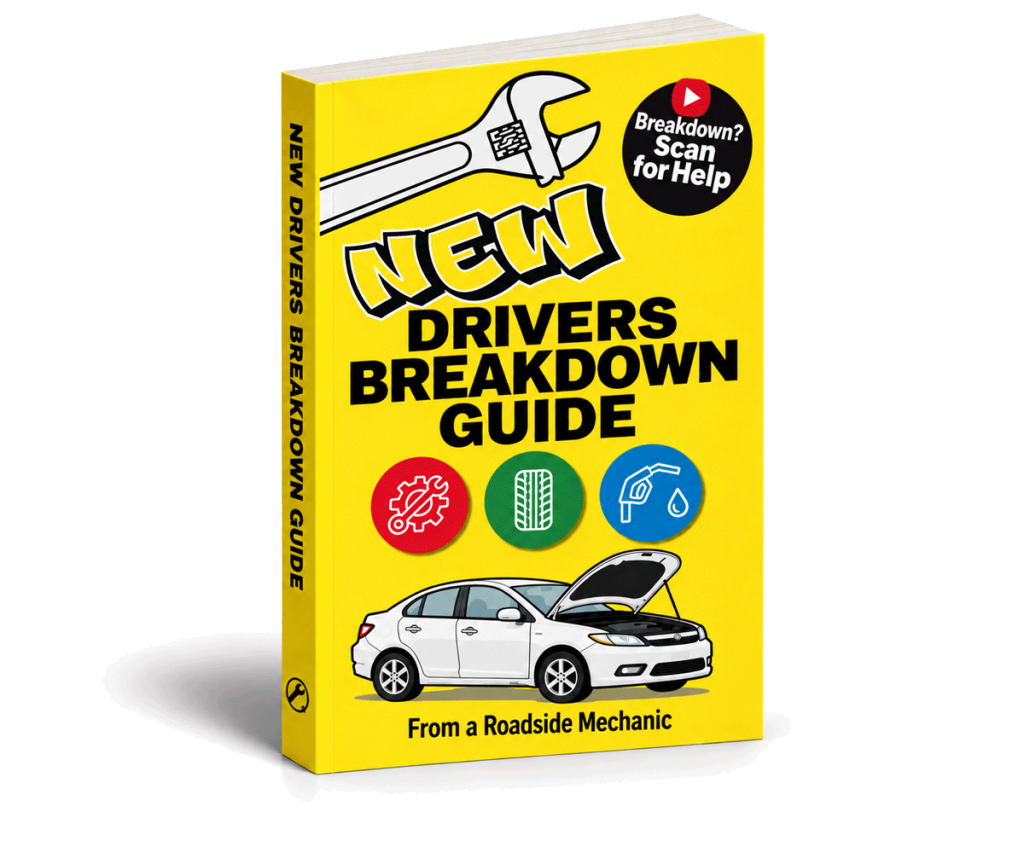
Warning light? Won’t start? Weird noise?
Something smells expensive?
DON’T PANIC. KNOW WHAT TO DO NEXT.
The New Driver’s Breakdown Guide gives you the car know-how nobody taught you.
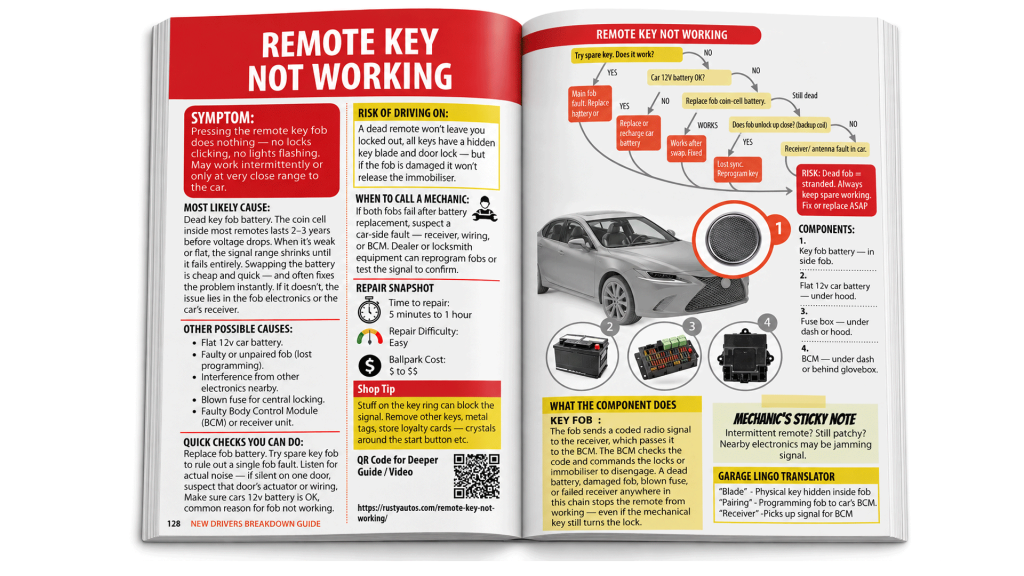
- About the Author
- Latest Posts

Meet Northcap, a seasoned mechanic and roadside assistance expert with over 20 years of hands-on experience. At Rustyautos.com, Northcap shares exclusive insights into what really breaks down in cars, offering practical tips and real-world advice to keep drivers informed and their cars on the road.