You press the gas…
Engine revs climb…
But the car doesn’t pick up speed like it should.
That’s slipping.
On roadside calls, this one shows up just before things get expensive. Ignore it, and you’re usually looking at a full transmission job.
First — What Does Slipping Feel Like?
Depending if your car is auto or manual transmission, drivers describe it a few different ways:
- Engine revs high but car barely accelerates
- Delay when shifting gear
- Gear changes feel soft or drawn out
- Sudden flare in revs between shifts
It can happen under load, on hills, or even just pulling away.
Low Transmission Fluid
This is the first place to look.
Automatic transmissions rely on fluid for pressure, lubrication, and cooling.
Low fluid = low pressure.
Low pressure = slipping.
What causes it:
- Leaks from seals or cooler lines
- Poor maintenance
- Neglect over time
Symptoms:
- Slipping when accelerating
- Delayed engagement into Drive or Reverse
- Possible whining noise
Quick check:
If your auto transmission has a dipstick, check the level and condition. (Engine running while checking) Low or burnt fluid is a big clue.
Worn Clutch Packs (Automatic)
Inside an automatic gearbox are clutch packs that engage different gears.
Over time, they wear out.
When they can’t grip properly… they slip.
Signs:
- Slipping in specific gears
- Worse under load
- Burnt smell from transmission fluid
Reality:
This is internal wear. Fluid changes won’t fix it.
Burnt or Degraded Transmission Fluid
Fluid breaks down over time.
Heat is the enemy here.
Once fluid loses its properties, it can’t maintain proper pressure or friction.
What you’ll notice:
- Dark, dirty fluid
- Burnt smell
- Rough or delayed shifting
Tip:
If caught early, a fluid and filter change might help. If not, damage is already done.
Torque Converter Issues
The torque converter connects the engine to the transmission.
If it fails, power transfer becomes inefficient.
Symptoms:
- Slipping at low speeds
- Shuddering or vibration
- Poor acceleration
In the trade:
Often mistaken for transmission failure. But it’s a separate component.
Transmission Band Wear (Older Automatics)
Most traditional automatics use bands to hold gears in place.
When they wear, slipping occurs.
Signs:
- Slipping in certain gears only
- Delayed shifts
- Jerky engagement
Manual Transmission — Clutch Slipping
Different setup, same symptom.
In a manual, slipping almost always points to the clutch.
Causes:
- Worn clutch plate
- Oil contamination on clutch
- Weak pressure plate
What it feels like:
- Engine revs rise without matching speed
- Worse under load or uphill
- Burning smell after driving
- Often elevated coolant temp
Simple test:
Drive in a higher gear at low speed and accelerate hard.
If revs jump without speed increase, the clutch is slipping.
Transmission Control Issues (Modern Cars)
Modern transmissions rely on electronics.
Sensors, solenoids, and control modules all play a part.
Possible faults:
- Faulty shift solenoid
- Bad transmission sensor
- Software or control module issues
Symptoms:
- Erratic shifting
- Slipping combined with warning lights
- Limp mode activation
Overheating Transmission
Heat kills transmissions.
Once temperatures climb too high, fluid breaks down and components wear faster.
Causes:
- Heavy towing
- Low fluid
- Faulty cooler
Signs:
- Slipping after long drives
- Burning smell
- Performance worsens as car heats up
Can You Keep Driving?
Be careful here.
- Mild slipping — you might get away with short trips
- Moderate slipping — damage is happening already
- Severe slipping — you’re close to losing drive completely
Drive it like this for too long… and you turn a repair into a full rebuild.
Quick Checks You Can Do
Start simple.
- Check transmission fluid level and condition
- Look for leaks under the car
- Notice when slipping happens (cold, hot, under load)
- Any warning lights on the dash?
These clues matter.
When to Call It
If you’ve got:
- Persistent slipping
- Burnt fluid smell
- No improvement after fluid check
It’s time for a proper diagnosis.
Transmission work isn’t guesswork territory.
Bottom Line
Slipping means one thing.
Power isn’t being transferred properly.
Most of the time, it’s:
- Low or degraded fluid
- Worn internal components
- Clutch issues (manual)
Catch it early… you might save it.
Leave it… and it gets expensive fast.
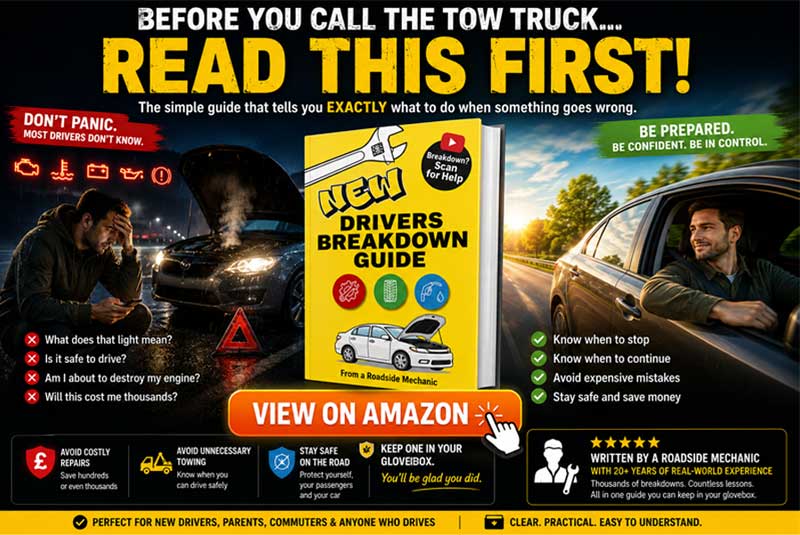
Would You Know What To Do?
If your engine warning light came on tonight, would you know to keep driving, pull over, or call for recovery?
Most drivers wouldn’t.
That’s exactly why I wrote this guide.
- About the Author
- Latest Posts

Meet Northcap, a seasoned mechanic and roadside assistance expert with over 20 years of hands-on experience. At Rustyautos.com, Northcap shares exclusive insights into what really breaks down in cars, offering practical tips and real-world advice to keep drivers informed and their cars on the road.