You drive to the shop, park the car, pop inside for five minutes, then come back out.
You turn the key…
…and the engine cranks and cranks, much longer than usual before starting.
Oddly enough, the car starts perfectly in the morning when the engine is cold.
I’ve seen this pattern many times.
When a car is hard to start when warm, the problem usually comes down to fuel delivery, engine sensors, or heat affecting electrical components.
Let’s walk through the most common causes.
1. Failing Crankshaft Position Sensor
This is one of the most common warm-start problems.
The crankshaft position sensor tells the engine computer exactly where the crankshaft is, which allows it to control ignition timing and fuel injection.
When these sensors begin to fail, heat often makes the problem worse.
Typical symptoms include:
• car starts fine when cold
• engine struggles to start after a short stop
• engine may crank but not fire immediately or at all
Once the engine cools again, the sensor begins working normally.
That’s why this problem can be very confusing for drivers.
From roadside experience, when a car starts fine cold but refuses to cooperate after a quick stop, the crank sensor is high on my suspect list.
2. Fuel Pressure Bleeding Off
Modern fuel systems are designed to hold pressure in the fuel rail after the engine shuts off.
If that pressure leaks away, the fuel system must rebuild pressure before the engine can start.
This causes extended cranking.
Fuel pressure loss can be caused by:
• a weak fuel pump
• a faulty fuel pressure regulator
• leaking injectors
• a failing check valve in the fuel pump
Warm engines can be particularly sensitive to this because fuel vaporises more easily when hot.
The engine may crank longer before enough liquid fuel reaches the injectors.
3. Leaking Fuel Injector
A leaking injector can slowly drip fuel into the engine after the vehicle is shut off.
When the engine is hot, this extra fuel can flood the cylinder.
The next time you try to start the car, the air-fuel mixture is too rich.
Typical signs include:
• long crank when warm
• strong bang of fuel during startup
• engine may start easier with the throttle slightly open
Sometimes drivers instinctively press the accelerator pedal while starting, which helps clear the excess fuel.
4. Faulty Engine Coolant Temperature Sensor
The engine coolant temperature sensor tells the ECU how hot the engine is.
The ECU uses this information to determine how much fuel to inject during startup.
If the sensor reports incorrect readings, the ECU may inject too much or too little fuel.
When this happens, the engine may:
• struggle to start when warm
• crank longer than normal
• run rough for a few seconds after starting
Fortunately, temperature sensors are usually inexpensive and fairly easy to replace.
5. Starter Motor Heat Soak
This issue isn’t hugely common, but when it happens, it’s more often on older vehicles or high-mileage starters.
After driving, the starter motor sits next to a hot engine block or exhaust components.
Heat increases electrical resistance inside the starter.
That can cause slower cranking speeds which can
Once the engine cools, the starter may spin normally again.
Other Possible Causes
Most warm-start problems come down to sensors or fuel pressure, but there are two heat-related issues that can also cause trouble.
Throttle body heat soak
Modern throttle bodies use a small electric motor that controls the throttle plate. Like any electric component, heat can affect how it behaves.
If the throttle body gets very hot after the engine is switched off, the motor can sometimes respond sluggishly during the next start attempt. That can make it harder for the ECU to control airflow correctly, which may lead to a longer crank or rough start.
Heavy carbon buildup inside the throttle body can make this worse because the motor already has to work harder to move the throttle plate.
Electric fuel pump heat soak
Most modern fuel pumps sit inside the fuel tank and rely on the fuel itself for cooling.
If the pump is starting to wear out, heat can affect its ability to move gas. After a hot shutdown, the pump may struggle briefly to build enough fuel pressure for the engine to start quickly.
In those cases, the engine may crank longer than usual until the fuel system reaches proper pressure.
Is It Safe to Drive?
In many cases, a car that is hard to start when warm can still be driven temporarily.
However, the problem usually gets worse over time.
What starts as a slightly longer crank can eventually turn into a no-start situation, leaving the driver stranded.
Quick Things You Can Check
Before heading to the mechanic, a few simple checks may help narrow things down.
Listen to the cranking speed
If the engine cranks slowly when hot, the starter motor could be struggling.
Pay attention to patterns
Does the problem happen only after short stops?
That often points to fuel pressure or crank sensor issues.
Watch the dashboard
If the check engine light appears, scanning for fault codes can quickly reveal sensor problems.
The Bottom Line
When a car becomes hard to start when warm, the most common causes are:
1️⃣ Failing crankshaft position sensor
2️⃣ Fuel pressure bleeding off
3️⃣ Leaking fuel injector
4️⃣ Faulty coolant temperature sensor
5️⃣ Starter motor heat soak
Less commonly, airflow issues such as a dirty throttle body can also contribute.
The key thing to remember is this:
Most warm-start problems come down to fuel delivery or sensor signals rather than major engine issues.
Start with the simple checks first — that’s exactly how mechanics approach it.
YOUR CAR JUST SAID “UH-OH.”
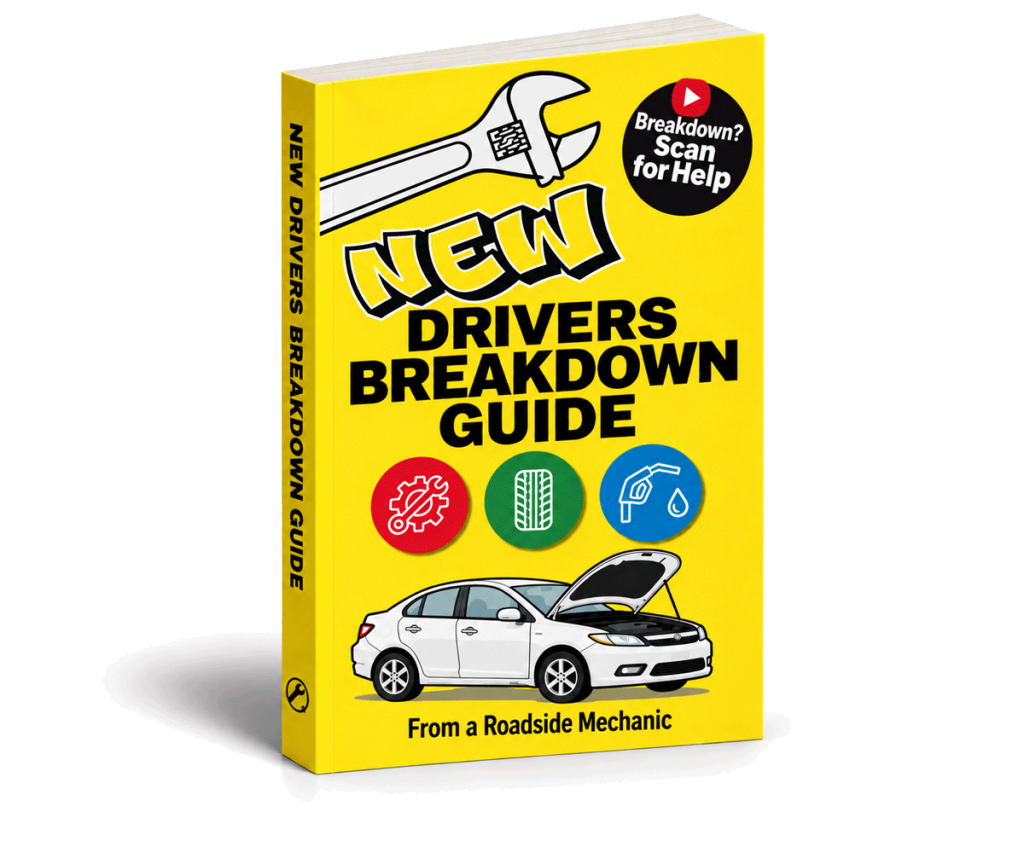
Warning light? Won’t start? Weird noise?
Something smells expensive?
DON’T PANIC. KNOW WHAT TO DO NEXT.
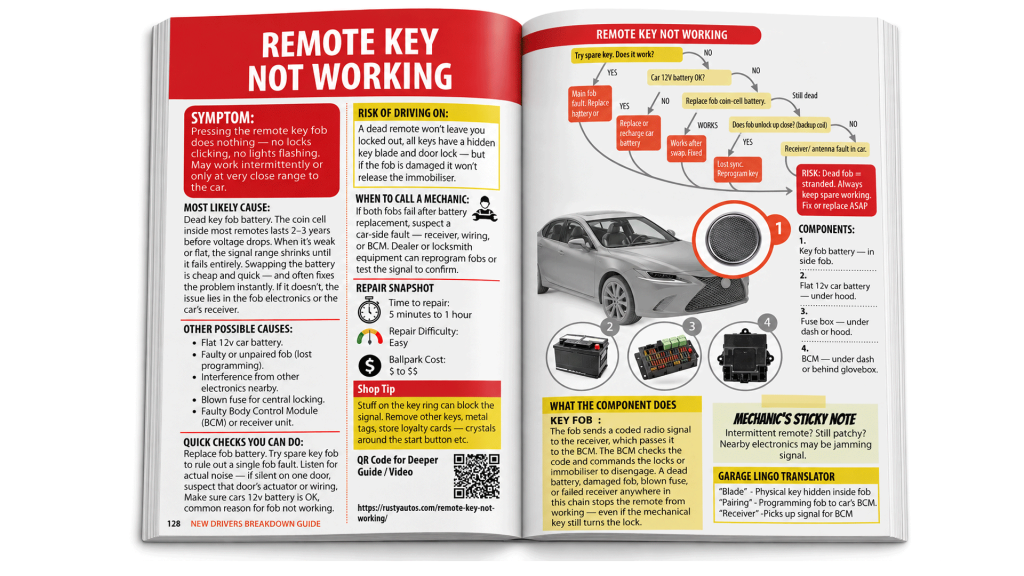
The New Driver’s Breakdown Guide gives you the car know-how nobody taught you.
- About the Author
- Latest Posts


Meet Northcap, a seasoned mechanic and roadside assistance expert with over 20 years of hands-on experience. At Rustyautos.com, Northcap shares exclusive insights into what really breaks down in cars, offering practical tips and real-world advice to keep drivers informed and their cars on the road.