Picture this…
You’re standing on the hard shoulder, hazards blinking, waiting for help, and a BMW blasts past you like it’s late for its own movie premiere.
We all know the stereotype — fast cars, fast drivers, and turn signals that retire early.
But BMW’s story goes far deeper (and weirder) than most people realise.
Here are 10 things even die-hard BMW fans don’t always know.
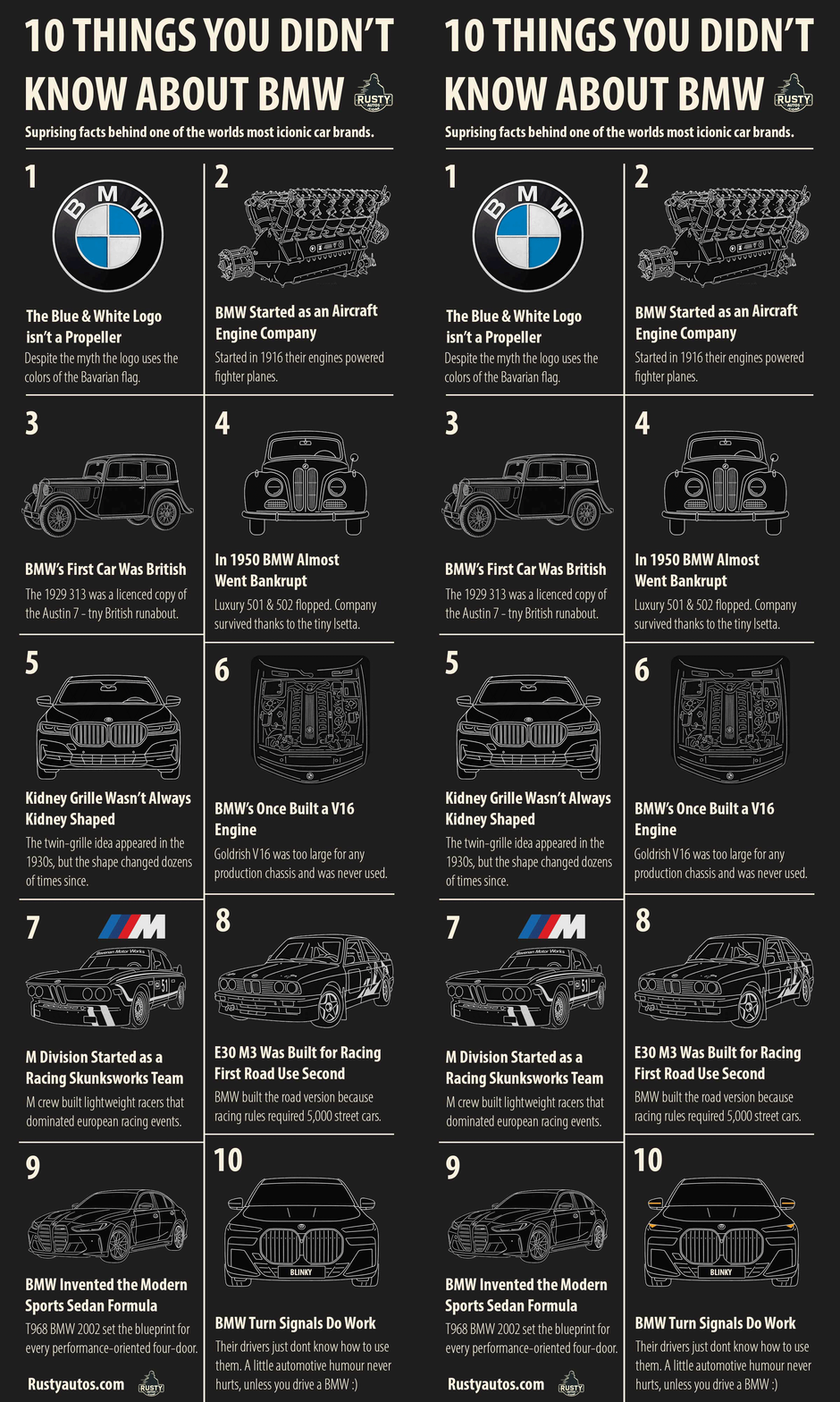
1. BMW Started Out Building Airplane Engines
Before they built your neighbour’s lease-special SUV, BMW built aircraft engines.
Founded in 1916, the company’s early products were high-revving inline-six engines for German fighter planes during WWI.
Trade insight:
This is why BMW still obsesses over smooth, high-revving engines.
It’s baked into the company’s DNA — long before the M3 ever chirped second gear.
2. The Famous BMW Roundel Isn’t a Propeller
People love the “propeller” story.
It’s wrong.
The blue and white segments?
They’re the Bavarian state colours — the region BMW was born in.
The propeller myth came later, from a 1929 ad campaign. Great marketing. Zero truth.
3. BMW’s First Car Was a Borrowed British Design
BMW didn’t design its first car from scratch.
They licensed the tiny Austin 7 from the UK and rebadged it as the BMW 3/15 in 1929.
Think of it as the original “German-engineered” badge job.
Affordable, tiny, and just enough to keep the lights on.
4. BMW Almost Disappeared in the 1950s
Luxury models like the 501 and 502 were gorgeous…
and absolute financial disasters.
BMW was days away from being taken over by Mercedes-Benz until something strange happened:
A bubble-car saved them.
The tiny Isetta microcar kept BMW alive long enough to build the Neue Klasse sedans — the cars that finally put BMW on the map.
Never underestimate a quirky underdog.
5. The Kidney Grille Wasn’t Always “Kidney-Shaped”
BMW’s twin-grille look started in 1933, but the shape you know today evolved dozens of times.
From narrow vertical slits to massive, polarising nostrils on modern models…
BMW can’t leave this thing alone.
It’s branding.
It’s identity.
It’s also the most argued-about car design feature on the internet.
6. The E30 M3 Was Designed for Racing First, Roads Second
The legendary E30 M3 wasn’t built to impress executives.
It was built to win races.
Homologation rules forced BMW to build 5,000 road-going versions so they could enter touring car championships.
Fun fact:
Almost every body panel on the M3 differs from the regular 3 Series.
It’s basically a race car with number plates.
7. M Division Began as a Secret Racing Skunkworks
Before they built road-going monsters like the M2, M3, and M5, BMW’s M division was a small, elite racing team.
Their early 1970s touring cars were so dominant the M logo became synonymous with speed long before the public even knew what it meant.
When BMW finally let them loose on road cars…
Well, the rest is tyre-shredding history.
8. BMW Built a V16 Engine — And Never Used It
Yes, sixteen cylinders.
The 1987 prototype, nicknamed “Goldfish,” squeezed a 6.7L V16 into a modified 7 Series.
It made around 400 horsepower, ran smoother than a politician’s apology, and was far too big for production.
BMW buried it.
The engine still exists in their secret warehouse.
Some ideas are brilliant…
Just not practical.
9. BMW Invented the Modern Sports Sedan
Before crossovers ruled every driveway, BMW created a whole category with the 1968 BMW 2002.
Light.
Simple.
Rear-wheel drive.
Just enough power to get you into trouble but not enough to kill you.
Every sporty four-door you see today — from the S4 to the IS350 — owes its existence to the 2002.
10. And Yes… BMW Indicators Do Actually Work
Every roadside mechanic has made this joke.
You have to. It’s in the rulebook.
But here’s the truth:
BMW turn signals didn’t become “touch-sensitive” until the mid-2000s, and many owners genuinely hated the feel.
Add in a little driver enthusiasm and, well…
The stereotype wrote itself.
All jokes aside, modern BMW indicators work perfectly.
Whether they’re used is another story. 😄

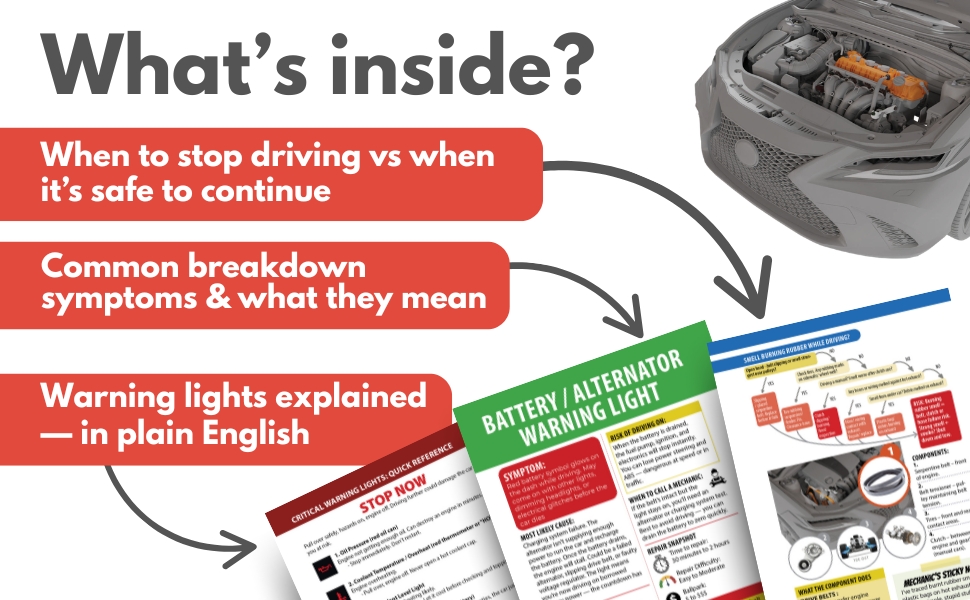
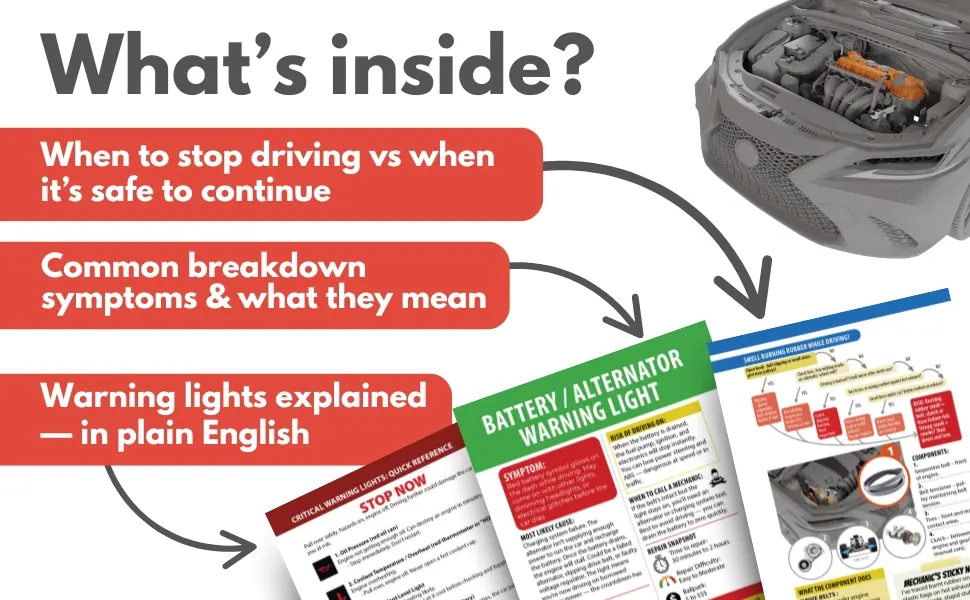
Visit our DIY Car Maintenance page and level up your car care skills — or keep the quick-reference version below in your glovebox.
Look inside on Amazon.com


Look inside on Amazon.com
- About the Author
- Latest Posts


Meet Northcap, a seasoned mechanic and roadside assistance expert with over 20 years of hands-on experience. At Rustyautos.com, Northcap shares exclusive insights into what really breaks down in cars, offering practical tips and real-world advice to keep drivers informed and their cars on the road.